
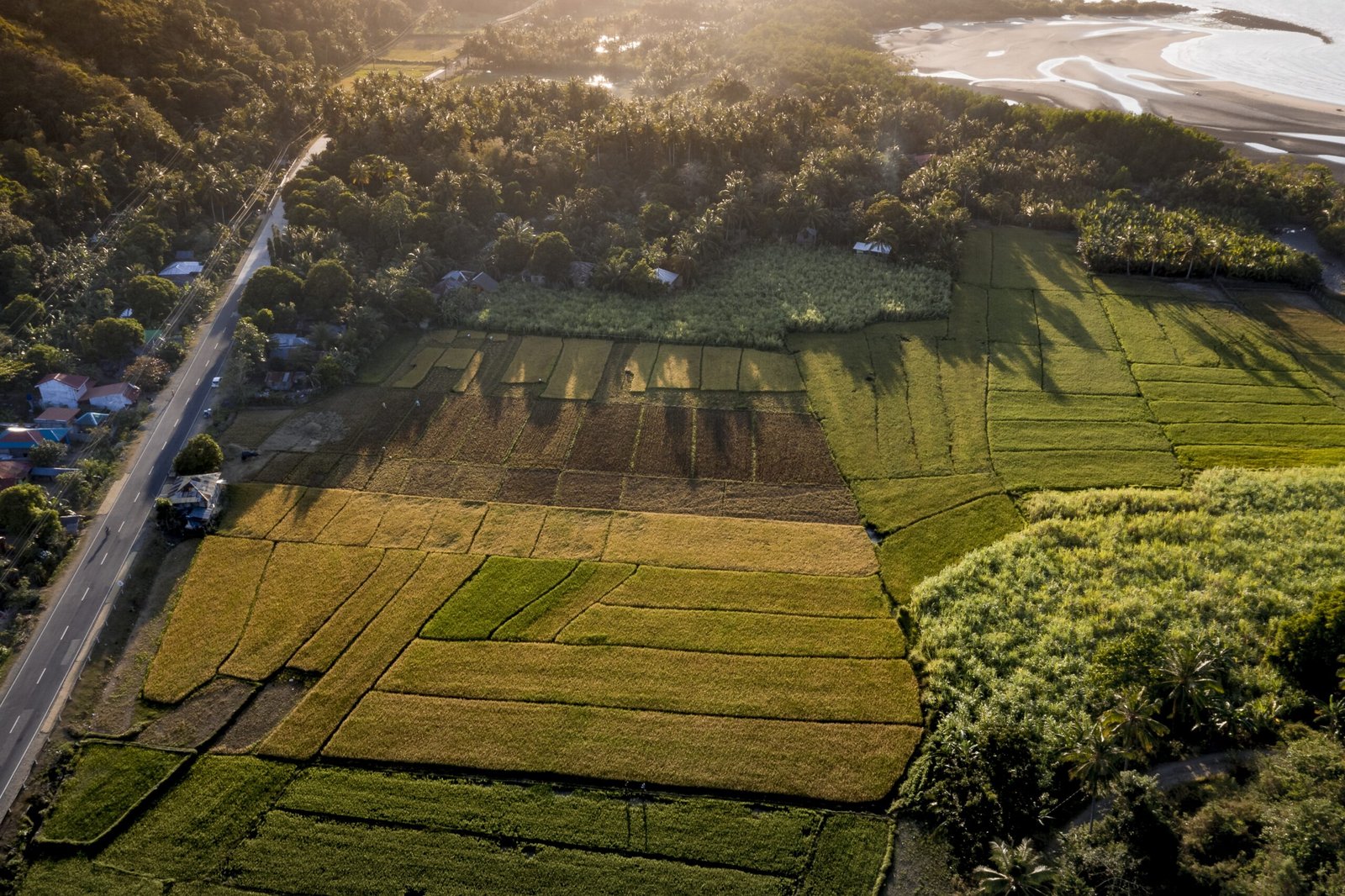
As urban life accelerates and environmental concerns escalate, modern landowners are seeking alternatives that don’t pit progress against the planet. The idea of sustainable land ownership in India is no longer abstract; it’s rapidly becoming a practical, value-driven choice for people who want their investments to do more for themselves and for the earth. One compelling example of this shift is the Green Field Arcade project by Harvest Heaven Terrain, a thoughtfully designed farmland community that integrates ecological sensitivity with long-term prosperity.
Green Field Arcade isn’t just another plotted development; it represents a balanced approach where growth and green go hand in hand. In this blog, we’ll explore the art and science behind such developments, how eco-conscious planning benefits landowners, and why eco-luxury farmland plots near city outskirts of India are redefining sustainable living.
Understanding Plotted Developments in the Context of Ecology and Economy
1. What Sustainable Land Ownership in India Means Today
Owning land used to be equated with walls, rooftops, and city limits. Today, it’s about stewardship, protecting soil, water, and biodiversity while ensuring economic resilience. Sustainable land ownership means investing in plots that:
- Enhance natural ecosystems,
- Offer lifestyle value beyond speculation, and
- Support environmental health for future generations.
For projects like Green Field Arcade, this perspective becomes the core principle of design and planning.
2. Why Farmland Around Urban Corridors Is Gaining Attention
Rapid urbanization pushes city dwellers outward in search of space, cleaner air, and quieter living. This has given rise to a new category of land investment: eco-luxury farmland plots near city outskirts of India, spaces that are close enough to urban centers for convenience yet far enough to offer a genuine connection with nature. These plots attract buyers who want tranquility without sacrificing access to urban infrastructure or long-term value appreciation.
Green Field Arcade: A Case Study in Balanced Planning
Project Overview
Green Field Arcade is a plotted development spread across 8 acres of farmland designed to offer both serenity and smart investment potential. It features 57 well-planned farmland plots, each thoughtfully sized at 5.5 guntas and enveloped by greenery. What sets this project apart is its holistic focus; not just on land ownership but on balanced living and ecological harmony.
Strategic Positioning Between Growth and Nature
Located along the corridor between Kolar and Mulbagal, Green Field Arcade is positioned to benefit from expanding connectivity while preserving the calm of the rural landscape. This strategic siting captures the best of both worlds: future urban growth potential with a peaceful countryside ambience.
The Art and Science of Eco-Conscious Plot Design
Land Planning Rooted in Ecology
Planning a plotted development with sustainability at its core begins with understanding the land’s natural contours, water flow, and soil characteristics. Instead of forcing rigid grids or maximizing plot count, thoughtful projects like Green Field Arcade respect ecological rhythms:
- Natural drainage patterns guide road alignments.
- Green belts and tree cover are actively incorporated.
- Open spaces serve as both communal areas and ecological buffers.
This approach respects the land as an active system, not just real estate to be parceled.
Infrastructure That Supports Sustainability
True sustainability extends beyond greenery; it includes the infrastructure that supports long-term land health.
- Water harvesting and recharge systems.
- Tree-lined access roads.
- Environmentally sensitive lighting.
- Secure boundaries that respect wildlife movement.
By integrating these elements from the outset, plotted developments become both eco-friendly and economically resilient.
Connectivity and Access Without Compromise
Ensuring access to city conveniences without disrupting the ecological balance of farmland is critical. Green Field Arcade strikes this balance by being sufficiently close to urban nodes while protected by smart planning that retains the land’s rural essence.
Why Eco-Luxury Farmland Plots Near City Outskirts of India Resonate With Modern Buyers
1. A Sustainable Investment Beyond Monetary Returns
For many buyers, sustainable land ownership in India means far more than land appreciation; it’s about secure, tangible assets that contribute to well-being and environmental stewardship. Farmland plots strategically positioned near city peripheries offer a blend of lifestyle and financial value that traditional urban real estate often can’t match.
2. Health and Well-Being in Open Spaces
In an age of pollution and stress, owning land that immerses you in fresh air and greenery can be transformative. Whether used for weekend retreats, organic gardening, or full-time farmhouse living, eco-luxury farmland plots enhance quality of life by providing space, serenity, and a connection to nature that apartment living rarely offers.
3. Proximity to Growth Corridors Boosts Long-Term Value
Plots that are developed responsibly on the outskirts of expanding cities tend to appreciate significantly over time. As infrastructure improves and urban sprawl extends, well-planned farmland communities gain value while maintaining their ecological charm.
4. Managed Farmland Near Bangalore: A Practical Trend Closer to major urban hubs, including Bangalore, demand for managed farmland near Bangalore reflects the desire for land ownership without management burdens. Professional teams can handle cultivation, soil care, and seasonal upkeep, allowing buyers to enjoy the benefits of land without daily operational demands. This model appeals strongly to busy professionals and investors alike.
How Plot Conversion Enhances Sustainable Prosperity
1. Strategic Plot Conversion Meets Environmental Care
Converting raw farmland into a structured, plotted development requires blending technical planning with ecological sensitivity. This includes:
- Maintaining natural vegetation corridors,
- Designing contour-friendly pathways,
- Minimizing earthworks and soil disruption,
- Harnessing renewable energy for common infrastructure.
This ensures that the land remains productive, biodiverse, and visually appealing even as it gains structure.
2. Community Planning That Supports Shared Growth
Beyond individual plots, sustainable developments foster community living through shared open spaces, walking trails, agro-gardens, and gathering areas. These shared spaces enhance soil conservation, social interaction, and collective ecological care, creating a neighbourhood that thinks and grows together.
3. Integrating Local Ecosystems for Long-Term Health
Projects that prioritize natural water systems, biodiversity corridors, and native plant species help maintain ecological balance. These measures ensure water availability, preserve fauna habitats, and increase soil fertility; the benefits that grow with time and amplify prosperity for all plot owners.
The Future of Land Ownership Is Green and Prosperous
Balancing growth and green is not only possible, but it’s imperative for a future where prosperity and ecology go hand in hand. Sustainable land ownership in India, exemplified by projects like Green Field Arcade, illustrates how well-planned, plotted developments can deliver financial value, environmental health, and lifestyle enrichment simultaneously.
By choosing eco-luxury farmland plots near city outskirts of India, modern landowners invest in a future that honours both progress and planet. Each plot becomes a legacy asset, rooted in nature, designed for life, and aligned with long-term value creation. Now is the time to rethink land ownership, not as a transaction, but as a transformative journey toward sustainable prosperity. Explore opportunities at Green Field Arcade and start building a greener, more balanced future today.