
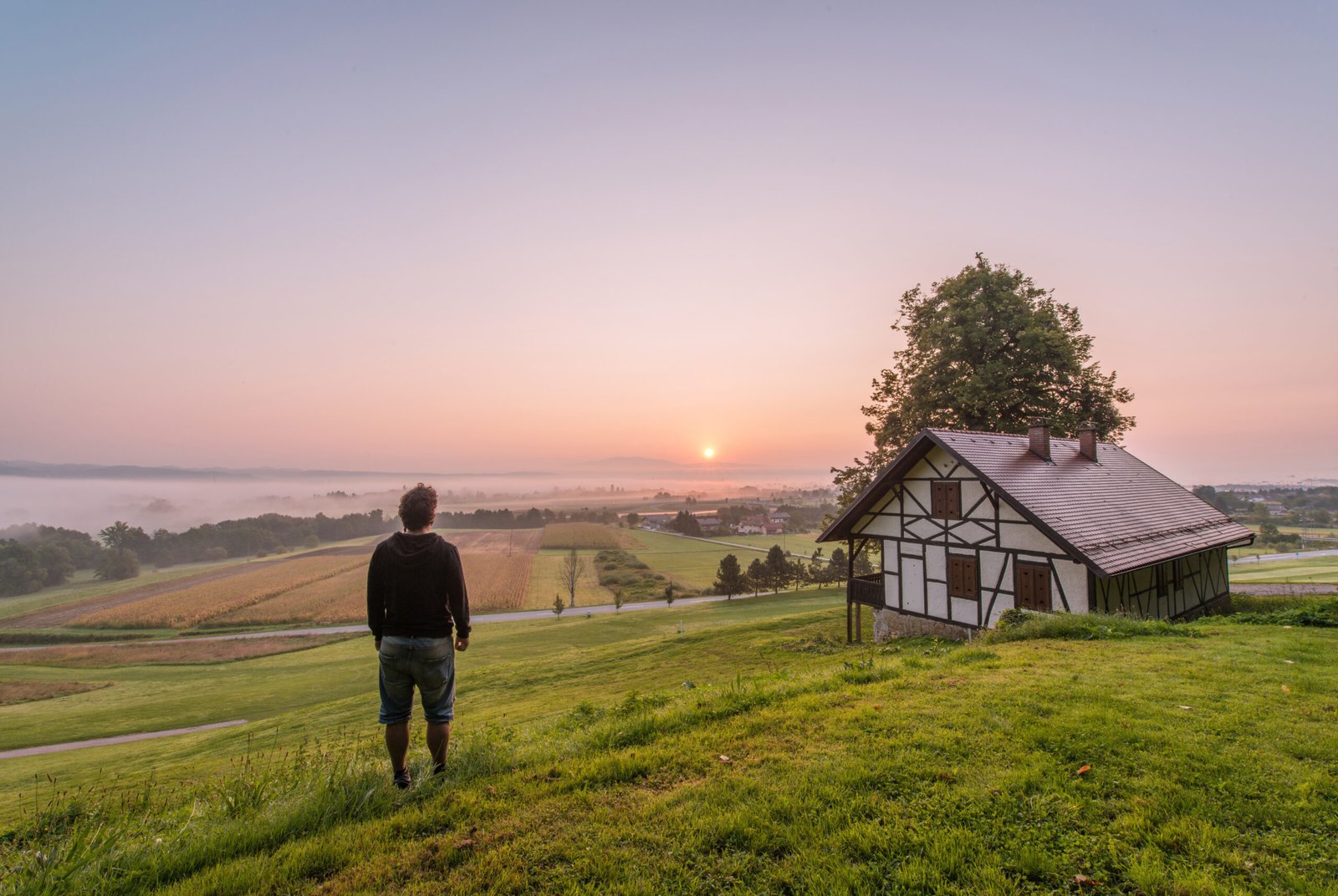
In today’s fast-paced world, more landowners are seeking meaningful ownership that balances comfort, ecology, and future value. This shift has given rise to a powerful concept: sustainable land ownership in India that goes beyond simple asset holding; it creates lifestyles rooted in nature, purpose, and long-term well-being. A perfect example of this is the Green Field Arcade project by Harvest Heaven Terrain, where thoughtfully designed plots meet ecological intelligence and community-oriented living.
If your vision is a self-sustained farm retreat. In this inviting space, greenery, lifestyle, and independence coexist, this guide will walk you through each step, from selecting the right plot to nurturing your own eco-friendly haven.
1. Select the Right Land: The Foundation of Your Farm Retreat
Your journey begins with a meaningful choice: selecting land that supports both ecology and long-term lifestyle goals. For modern landowners, this means looking beyond conventional real estate to attributes that empower sustainability and serenity.
Focus on Strategic Location and Ecology
Start with plots that are:
- Located within expanding growth corridors
- Close enough to urban conveniences
- Far enough to ensure peace and clean air
The Green Field Arcade development exemplifies this balance, offering eco-luxury farmland plots near the city outskirts of India, where land meets opportunity and ecology.
What to Prioritize
- Soil quality and fertile ground
- Natural water availability
- Topography suited for farming and landscaping
- Legal clarity and development compliance
Choosing land with these foundations will make your farm retreat easier to plan, more resilient over time, and far more rewarding to live in.
2. Visualize Your Retreat: Define Purpose and Layout
Once you’ve identified the right plot, shape a roadmap for your retreat. A self-sustained farm isn’t a random collection of trees and structures; it’s a thoughtfully planned space.
Ask Key Questions
- Will this be a weekend escape or a full-time residence?
- Do you want organic farming or agro-based income?
- How much of the land should be dedicated to recreation, farming, homes, and open space?
Draft a Basic Layout
Divide the land into:
- Residential and living zone
- Vegetation and farming zone
- Water harvesting and storage zone
- Relaxation and open recreation areas
This step helps you allocate space efficiently and is especially important when working with eco-luxury farmland plots in India that value both function and aesthetics.
3. Design with Nature First: Sustainable Farm Planning
A self-sustained farm retreat thrives when it works with nature, not against it.
Key Principles of Nature-Centric Design
- Contour-based planning: Use land contours to guide water flow and reduce soil erosion.
- Preserve natural vegetation: Existing trees are assets; they help cool the environment and support biodiversity.
- Native species over exotic plants: Native trees and crops adapt better to local climates, require less water, and support soil health.
This science-meets-art approach ensures that your farm becomes a living ecosystem where plants, animals, and humans flourish together.
4. Build a Comfortable and Efficient Farmhouse
A self-sustained retreat must be comfortable, efficient, and eco-responsible.
Design Essentials
- Natural light and cross ventilation: Reduce energy usage and enhance comfort.
- Use local materials: Earth, wood, and stone help the structure blend seamlessly with the environment.
- Energy independence: Solar panels, efficient appliances, and passive cooling systems reduce environmental impact.
The farmhouse should feel like a natural extension of your retreat; stable, comfortable, and grounded in green design.
5. Water First: Establish Sustainable Water Systems
Water is the lifeblood of any farm ecosystem. Ensuring sustainable water use not only supports farming but anchors your entire retreat.
Water Management Components
- Rainwater harvesting: Capture roof runoff to recharge groundwater.
- Percolation pits and recharge wells: Help store water naturally underground.
- Drip irrigation systems: Conserve water while supporting plant growth.
Well-planned water systems reduce dependence on external sources and build resilience against dry seasons, especially important for managed farmland near Bangalore, where water efficiency increases both productivity and value.
6. Grow a Diverse Living Ecosystem
A self-sustained farm retreat is more than crops; it’s an ecosystem.
Start with Multipurpose Plantations
- Fruit trees (e.g., mango, guava, sapota)
- Seasonal vegetables and herbs
- Medicinal plants and flowering species
- Native shade trees
Organic Farming for Health and Returns
A focus on organic farming elevates the quality of life and can support agro-based income from surplus yield.
The combination of food, ecology, and biodiversity reinforces the core principle of sustainable land ownership in India; healthy land enhances human life and vice versa.
7. Build Soil Health and Nutrient Cycles
Healthy soil is the heart of every sustainable retreat.
Effective Soil Strategies
- Compost organic waste to enrich the soil
- Grow cover crops to prevent erosion
- Use natural pest control methods
- Rotate crops to improve soil structure
Boosting soil health protects your land’s long-term fertility and ensures your retreat stays productive for years to come.
8. Add Thoughtful Amenities for Lifestyle and Comfort
A self-sustained retreat welcomes you to live, which means incorporating amenities that enhance everyday living.
Lifestyle Enhancements
- Outdoor sitting decks and gazebos
- Nature walking trails
- Meditation or yoga spaces
- Small ponds, water features, or bird gardens
These elements make your retreat not just functional but cherished, a place to pause, reconnect, and thrive.
9. Think Long Term: Legacy, Value, and Community
A self-sustained farm retreat is more than a personal haven; it’s an investment in your future.
Long-Term Benefits
- Health and lifestyle enrichment
- Asset appreciation over time
- Environmental impact and legacy
- Potential agro-based income from produce
Strategic, eco-rooted planning ensures that your retreat not only thrives today but continues to grow in value and meaning tomorrow.
Your Sustainable Farm Retreat Begins with Choice and Purpose
The journey from raw land to a self-sustained farm retreat is both exciting and deeply fulfilling. With thoughtful planning, responsible design, and nature-first choices, you can create a retreat that:
- echoes ecological harmony,
- supports your lifestyle goals,
- enriches future generations,
- and embodies the best of eco-luxury farmland plots in India.
Projects like Green Field Arcade by Harvest Heaven Terrain represent this new era of land ownership, where each plot becomes a canvas for sustainable living, meaningful experiences, and long-term value.
If your aspiration includes serenity, sustainability, and a smart future investment in land near growth corridors, this guide is your starting point. The most fulfilling retreats begin with intention; today is the first step toward building yours.