
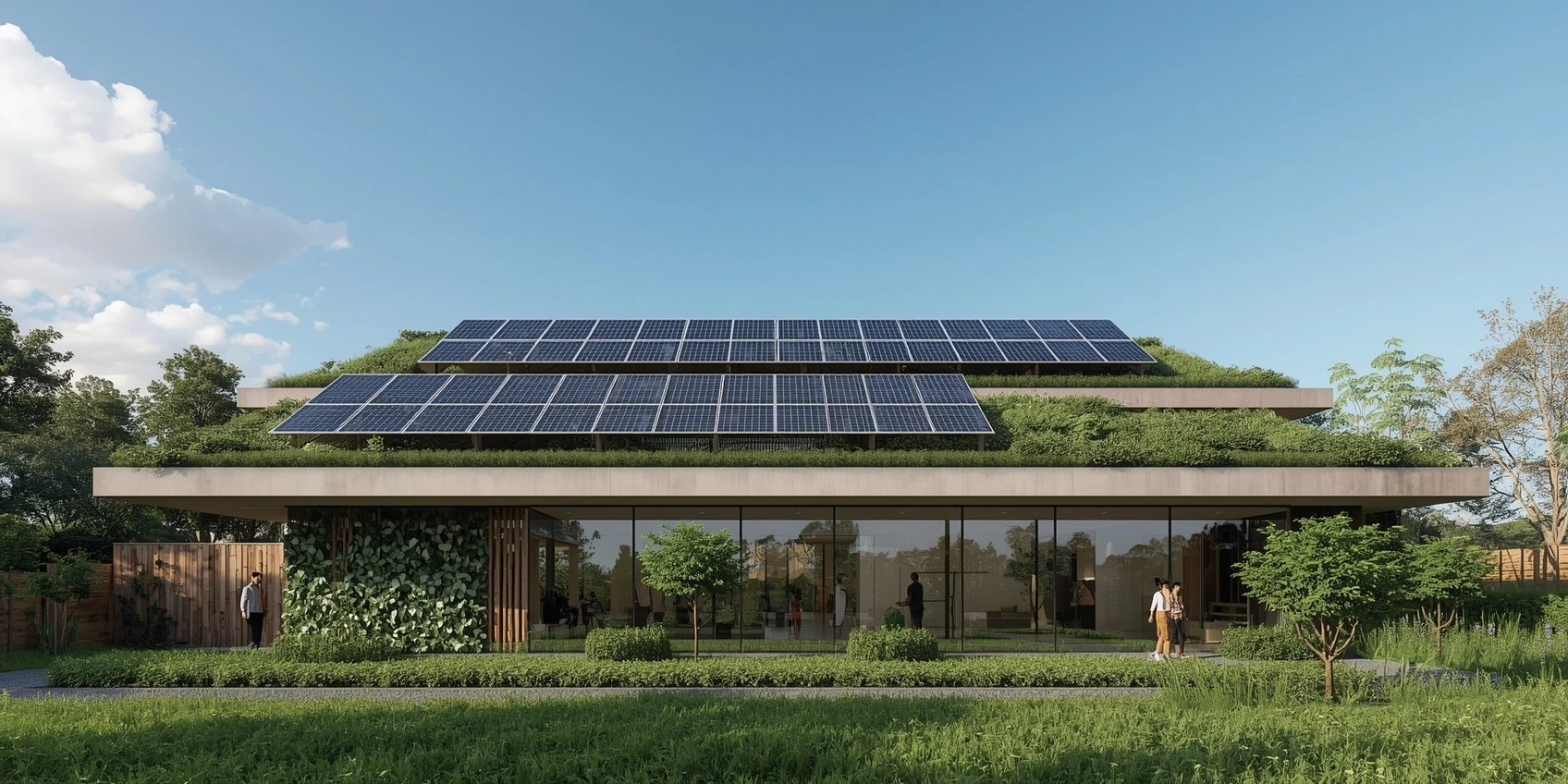
A New Way of Living Is Taking Root
Today, sustainability isn’t just a buzzword: it’s a responsibility. As cities grow louder and faster, people are seeking places that offer balance, calm, and a connection to nature. This shift is transforming the way we think about homes, communities, and even investments.
At the heart of this movement lies a simple idea: spaces should breathe.
They should live in harmony with their surroundings, support natural ecosystems, and enhance human well-being. And that’s exactly what eco-conscious developers like Harvest Heaven Terrain are redefining, creating sustainable land ownership in India and farmland communities where sustainability isn’t an option; it’s the foundation.
Let’s dive into how sustainable design shapes greener futures and why it matters more than ever.
What Does “Sustainable by Design” Really Mean?
Sustainability isn’t only about solar panels or recycling bins. It’s a deeper philosophy that influences how spaces are planned, built, and lived in.
A sustainably designed space is one that:
- Reduces environmental impact
- Improves long-term land health
- Conserves water, energy, and biodiversity
- Enhances the lives of the people within it
- Grows in value, naturally and responsibly
It’s about creating landscapes that breathe, spaces that give back more than they take.
- Land That Lives: Designing with Nature, Not Against It
Traditional development often forces nature to adapt to human needs. Sustainable design flips this approach; humans adapt to the land.
In luxury lifestyle farmland in India, like those from Harvest Heaven Terrain, planning begins by understanding the natural character of the land:
- Soil types
- Native vegetation
- Water flow patterns
- Existing ecological networks
Instead of flattening and restructuring the environment, sustainable layouts enhance it. The result is land that remains fertile, protected, and vibrant, a living system rather than a constructed site.
- Breathable Layouts: Open Spaces, Natural Light & Healthy Air
Spaces that breathe prioritize:
- Open areas
- Tree density
- Natural ventilation
- Organic zoning
In luxury farmland communities, homes are designed with wide setbacks, green buffers, and open vistas. Natural shade from tree lines cools the environment. Cross-ventilation reduces dependence on air-conditioning.
This isn’t just good for the planet, it’s good for your body and mind. You don’t just inhabit the space; you grow with it.
- Water-Wise Living: Harvesting Every Drop
Water conservation is one of the pillars of sustainable design. Smart farmland communities use:
- Rainwater harvesting structures
- Percolation ponds
- Drip irrigation systems
- Groundwater recharge zones
By capturing, filtering, and reusing rainwater, the land becomes self-sustaining. This approach protects local water tables, nourishes the ecosystem, and ensures consistent greenery even during dry seasons.
- Native Planting & Reforestation: Letting Nature Flourish
One of the most powerful contributors to sustainability is planting species that already belong to the land.
Native trees and crops:
- Adapt naturally to the climate
- Require less water and maintenance
- Support local wildlife
- Improve soil health
- Store carbon effectively
Harvest Heaven Terrain’s managed farming model incorporates native reforestation and responsible cultivation, creating farmland that regenerates itself year after year.
- Low-Impact Farmhouses: Eco-Luxury with Purpose
Sustainable design doesn’t mean compromise. Modern eco-friendly farmhouses feature:
- Energy-efficient design
- Natural building materials
- Large windows for daylight
- Solar power options
- Waste management systems
The goal is simple: luxury without guilt.
Your space stays comfortable and beautiful while actively reducing environmental impact.
- Community and Conscious Living: A Better Way to Belong
Sustainability also thrives when people share the same values. Farmland communities create a culture of:
- Organic living
- Outdoor activities
- Clean food cultivation
- Responsible land care
- Nature-first decision making
Children grow up connected to nature. Families reconnect with simpler rhythms. Residents experience a slower, healthier lifestyle, one that cities rarely allow.
- A Future-Proof Investment: Green Today, Golden Tomorrow
Designing sustainably isn’t just ethically right, it’s financially smart.
Eco-conscious land is:
- More resilient to climate change
- More attractive to future buyers
- Lower in maintenance costs
- Higher in long-term appreciation
As eco-living becomes mainstream, sustainable farmland plots are becoming one of the most future-proof investments in India. Harvest Heaven Terrain’s projects near Denkanikottai and other emerging corridors are prime examples of how green design can drive long-term value.
Conclusion: reconnect with nature through farmland plots
Spaces that breathe are more than private retreats; they’re commitments to the planet. They’re a promise that growth and greenery can coexist.
By choosing sustainably designed farmland, you’re not just investing in land, you’re investing in:
- Cleaner air
- Healthier ecosystems
- A meaningful lifestyle
- Regenerative living
- A better future
If you’re ready to create a life shaped by nature, purpose, and long-term value, now is the time.